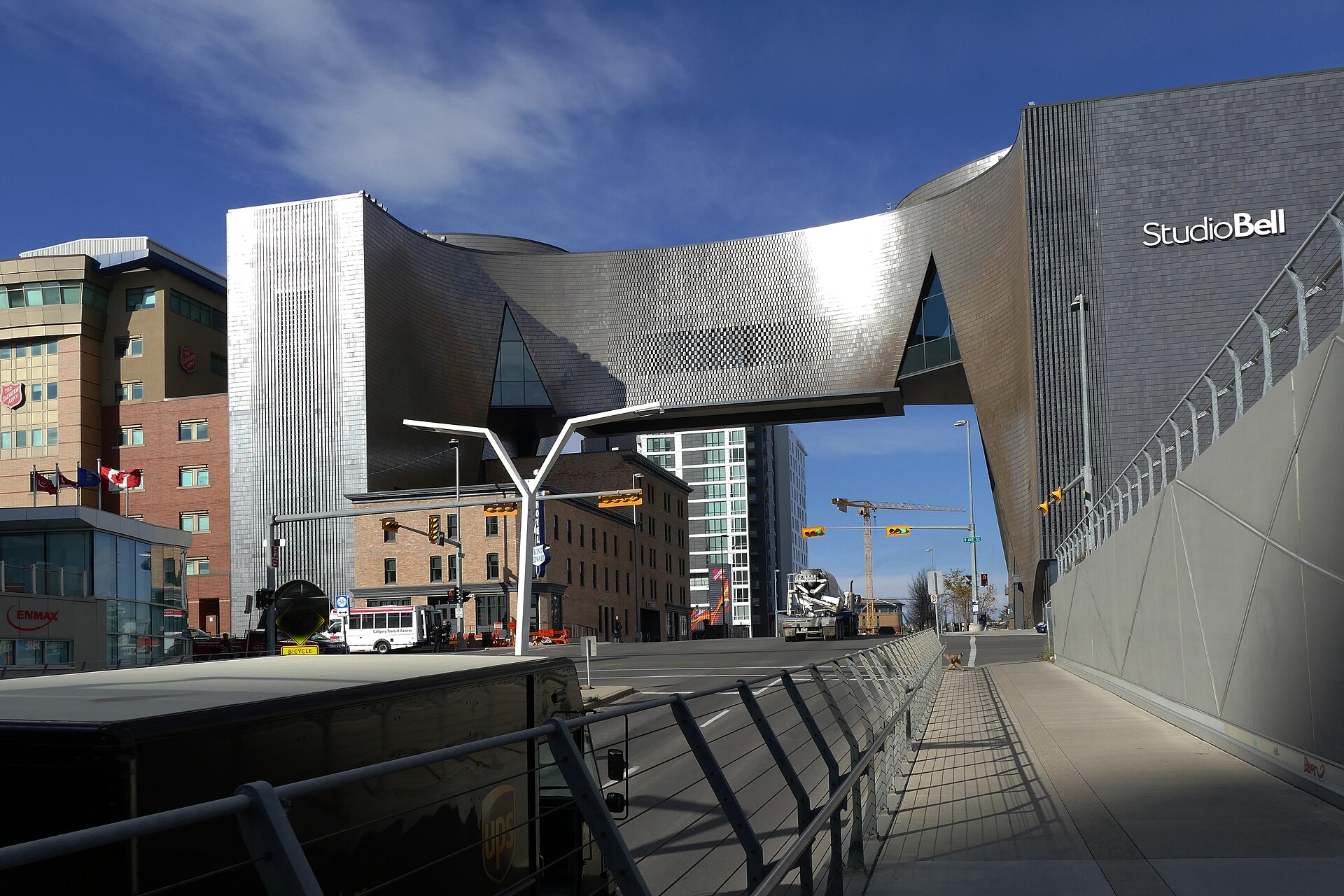
Studio Bell
Home of the National Music Centre in East Village, with interactive exhibits, rare instruments and live performances.
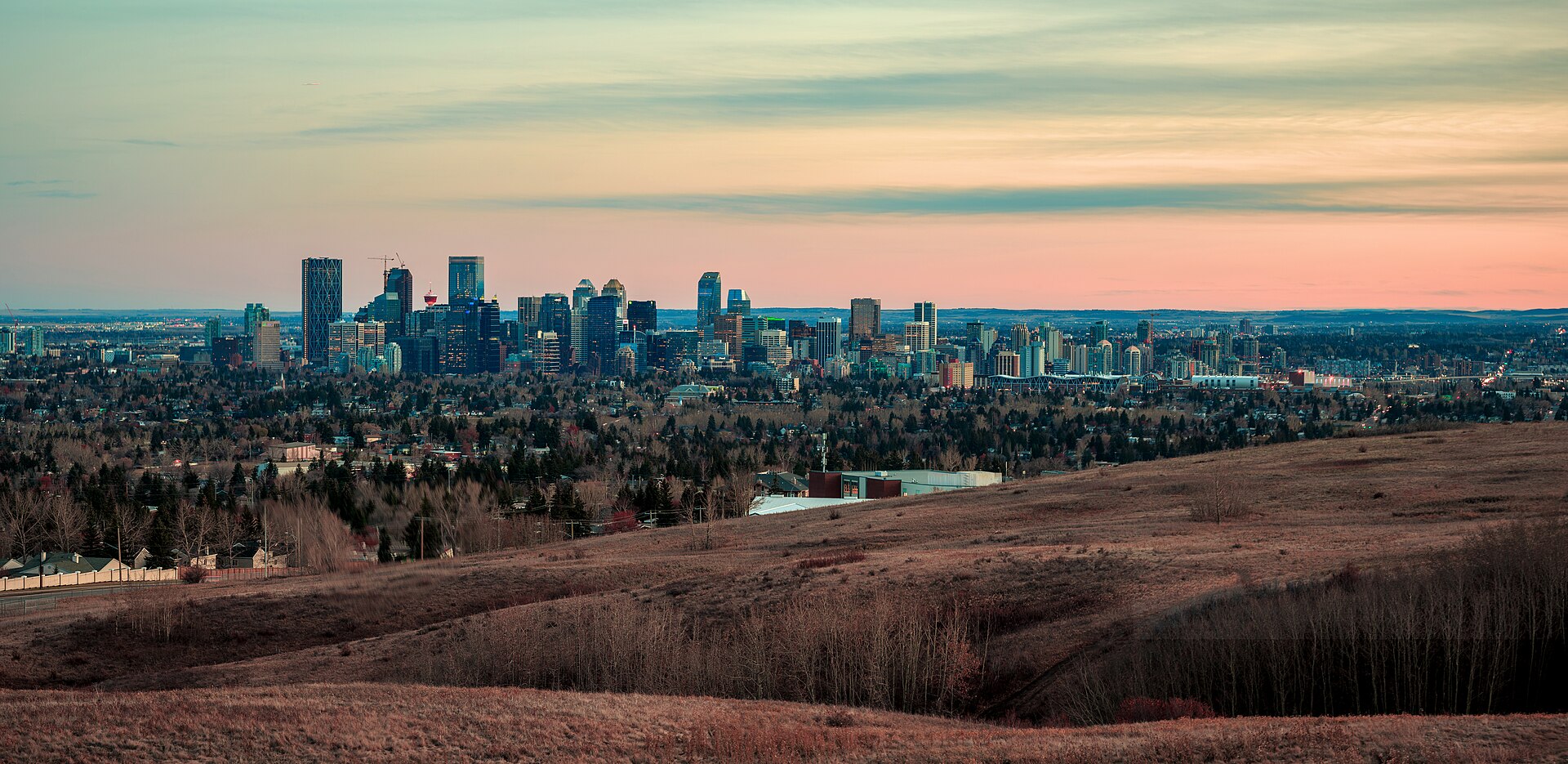
Living in Calgary
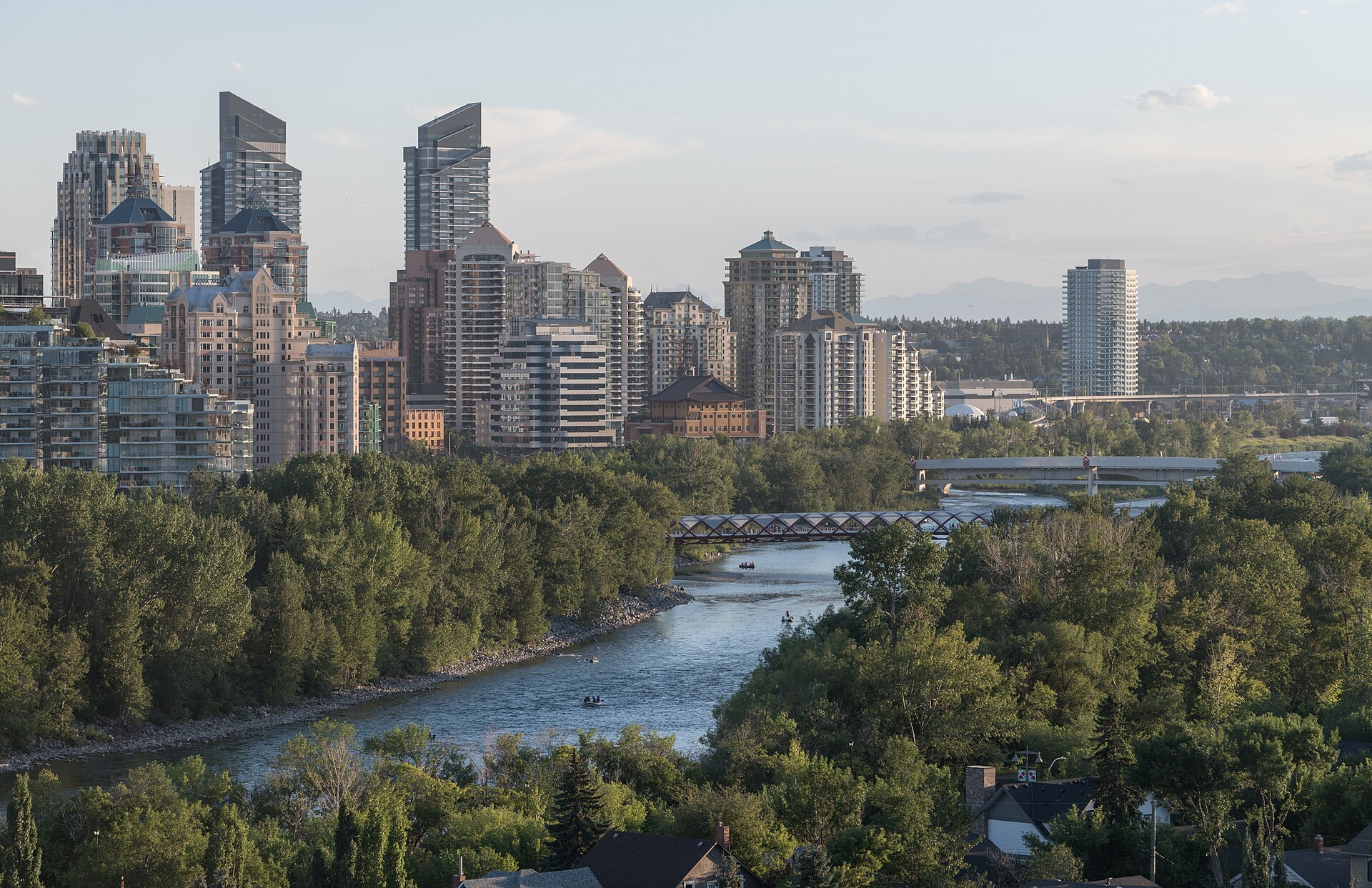
A guide to the city where the Bow and Elbow rivers meet: its story, its culture, and why so many people are choosing to live in its core.
Mohkinstsis
Long before it was Calgary, the confluence of the Bow and Elbow rivers was known to the Blackfoot as Mohkinstsis, and it was a gathering place for many Indigenous peoples.
Calgary is located on the traditional territories of the peoples of the Treaty 7 region in Southern Alberta: the Blackfoot Confederacy (Siksika, Piikani and Kainai), the Tsuut'ina, and the Îyârhe Nakoda (Chiniki, Bearspaw and Goodstoney). The city is also home to the Métis Nation within Alberta. Learning this history is a meaningful way to begin knowing the place you call home.
A Short History
1875
The North-West Mounted Police build a post at the confluence. It's soon named Fort Calgary, after Calgary on the Isle of Mull in Scotland.
1877
Treaty 7 is signed at Blackfoot Crossing between the Crown and the First Nations of southern Alberta.
1883
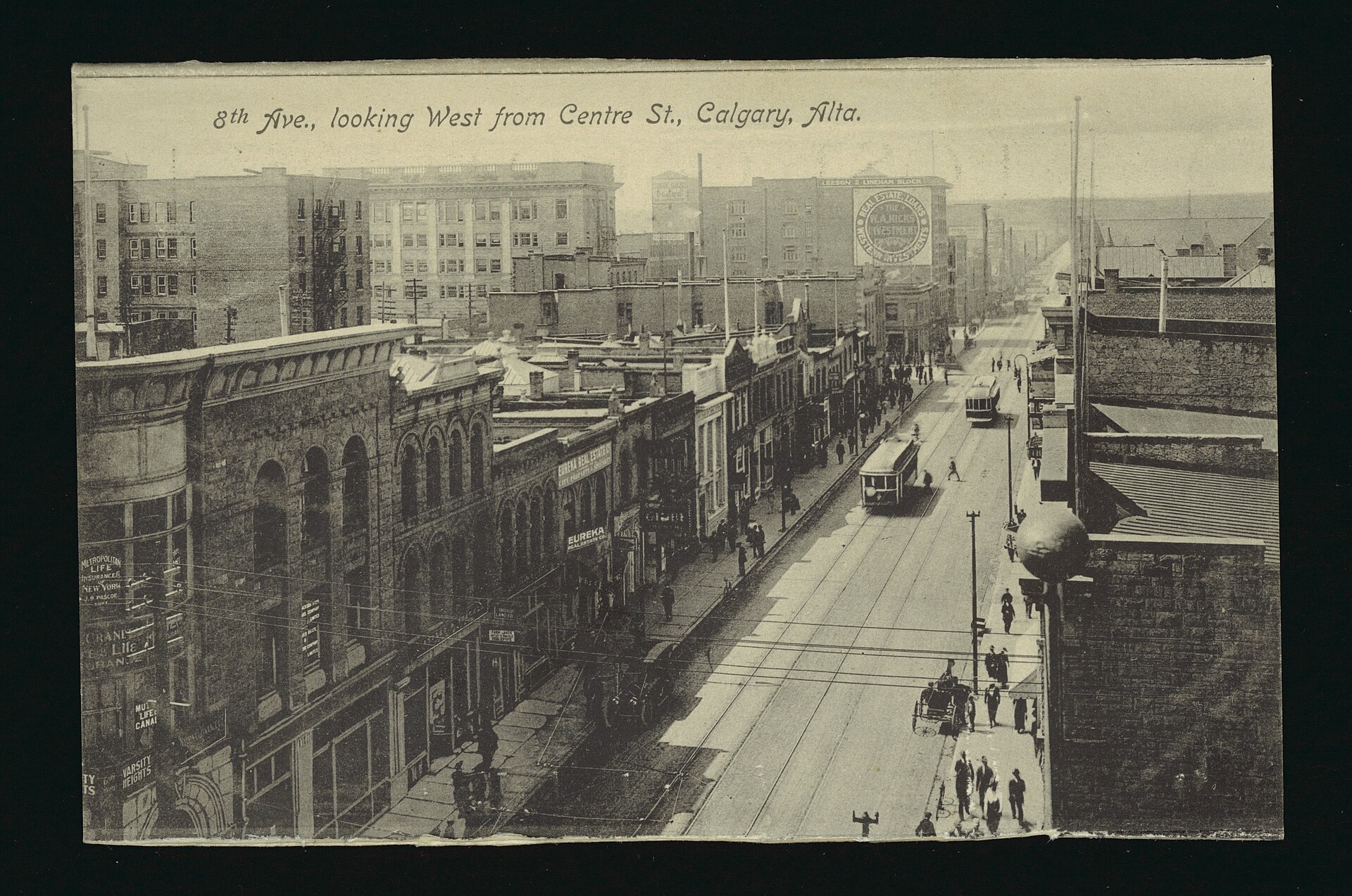
The Canadian Pacific Railway reaches Calgary. Calgary becomes a town in 1884 and a city in 1894.
1886
After a fire destroys much of downtown, the city rebuilds in local sandstone. Many of those buildings still line Stephen Avenue and Inglewood today.
1912
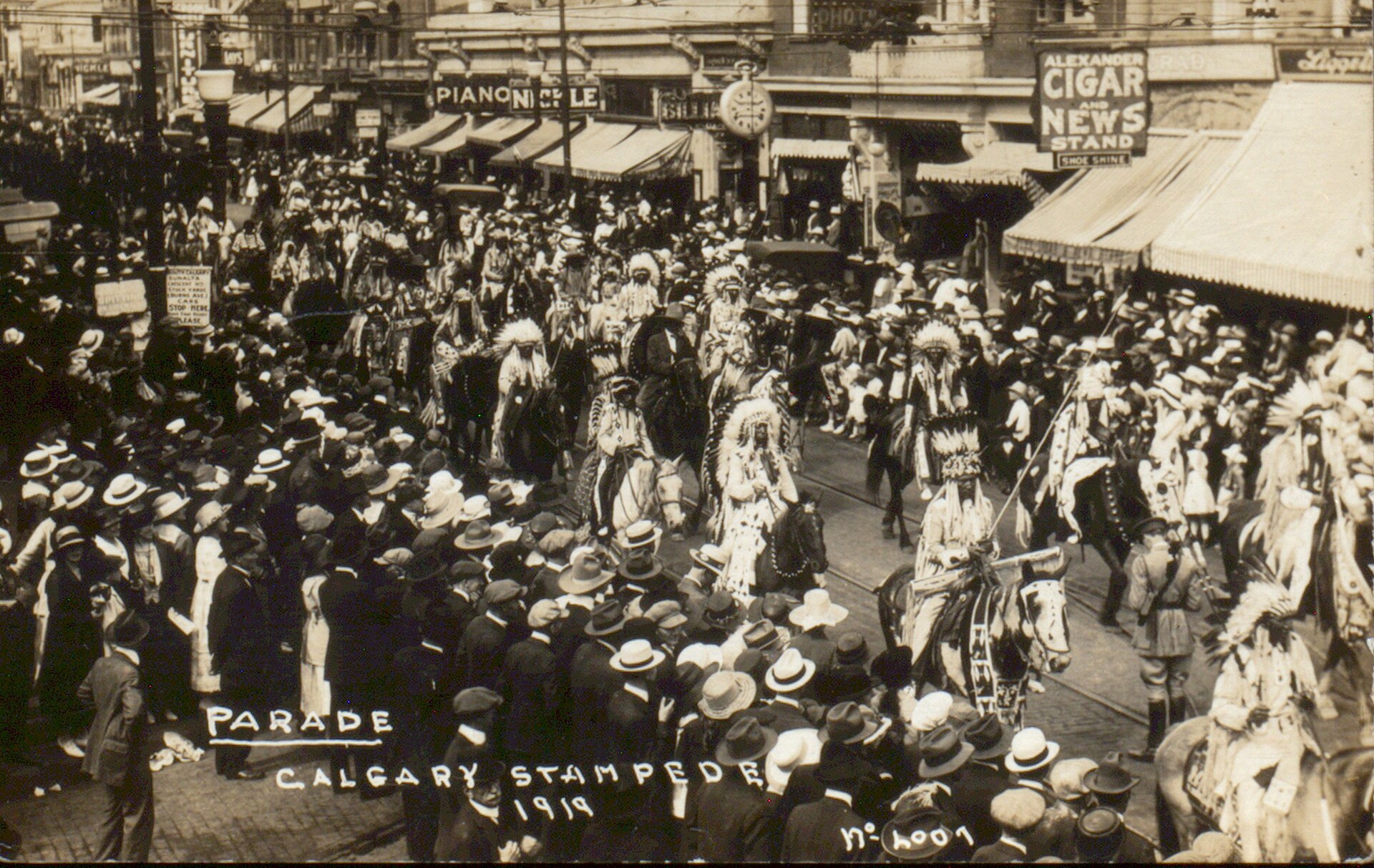
Guy Weadick's rodeo and frontier celebration launches what becomes "The Greatest Outdoor Show on Earth."
1914 – 1947
Discoveries at Turner Valley and later Leduc make Calgary the business centre of Canada's energy industry.
1988
Calgary hosts the XV Olympic Winter Games, leaving a legacy of venues still used by athletes and the public.
Today
New libraries, music venues, riverfront parks and residential towers are turning downtown into a place to live, not just work.
Arts & Culture
Inner-city residents live minutes, often steps, from the city's best cultural venues.
Home of the National Music Centre in East Village, with interactive exhibits, rare instruments and live performances.
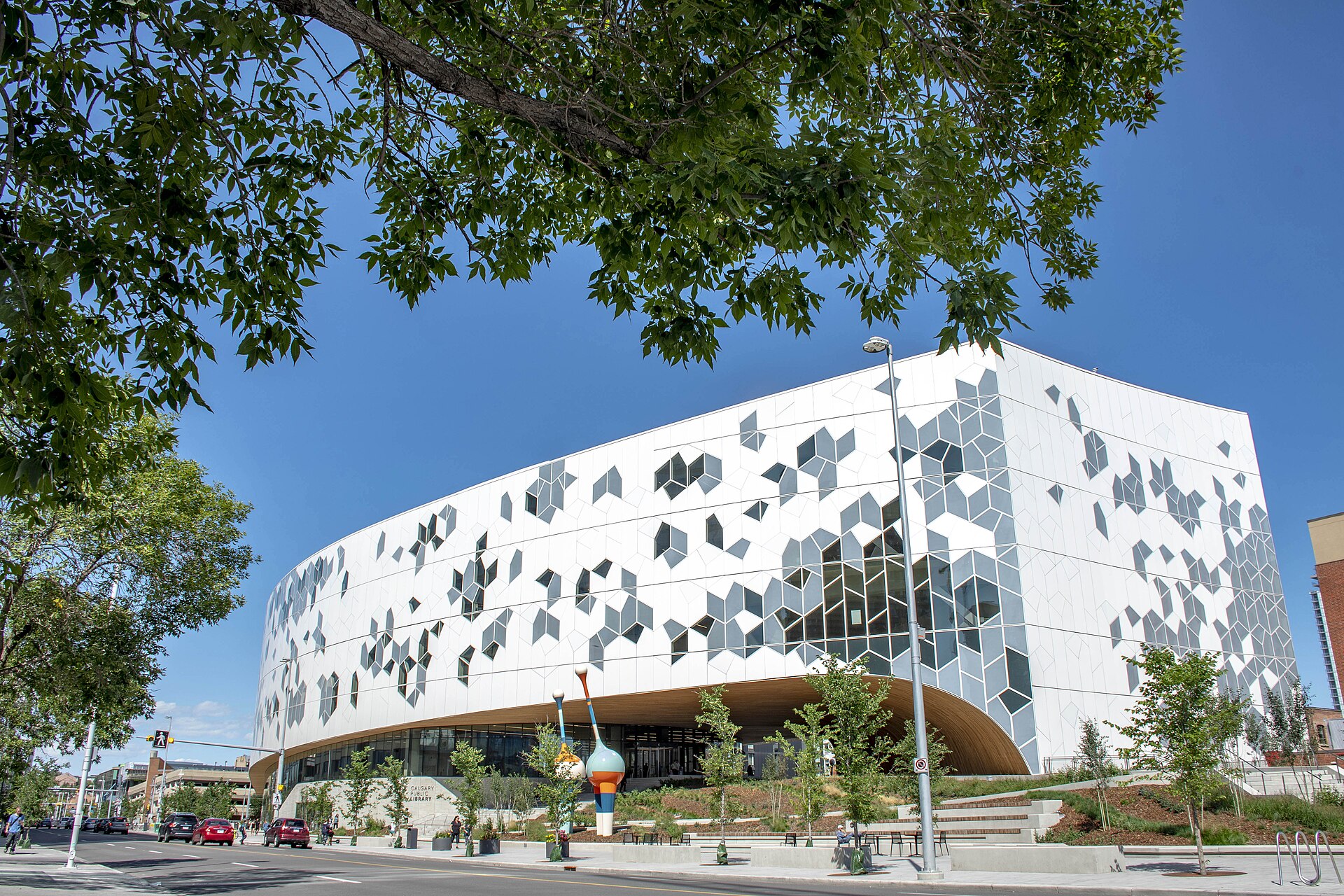
An architectural landmark opened in 2018, with free programs, maker spaces and a children's library worth the trip.
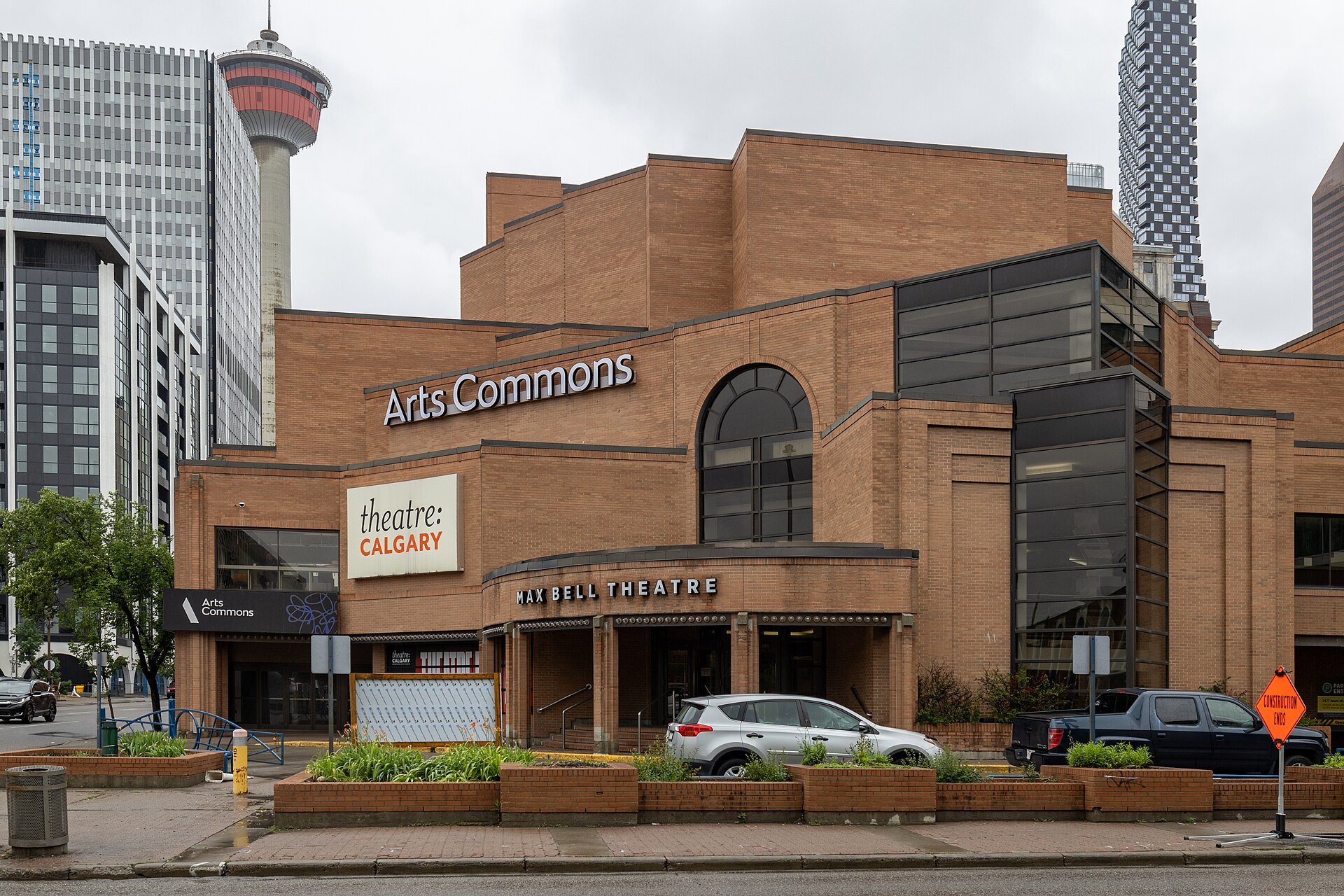
The downtown hub for theatre, the Calgary Philharmonic Orchestra and touring performances, beside Olympic Plaza.
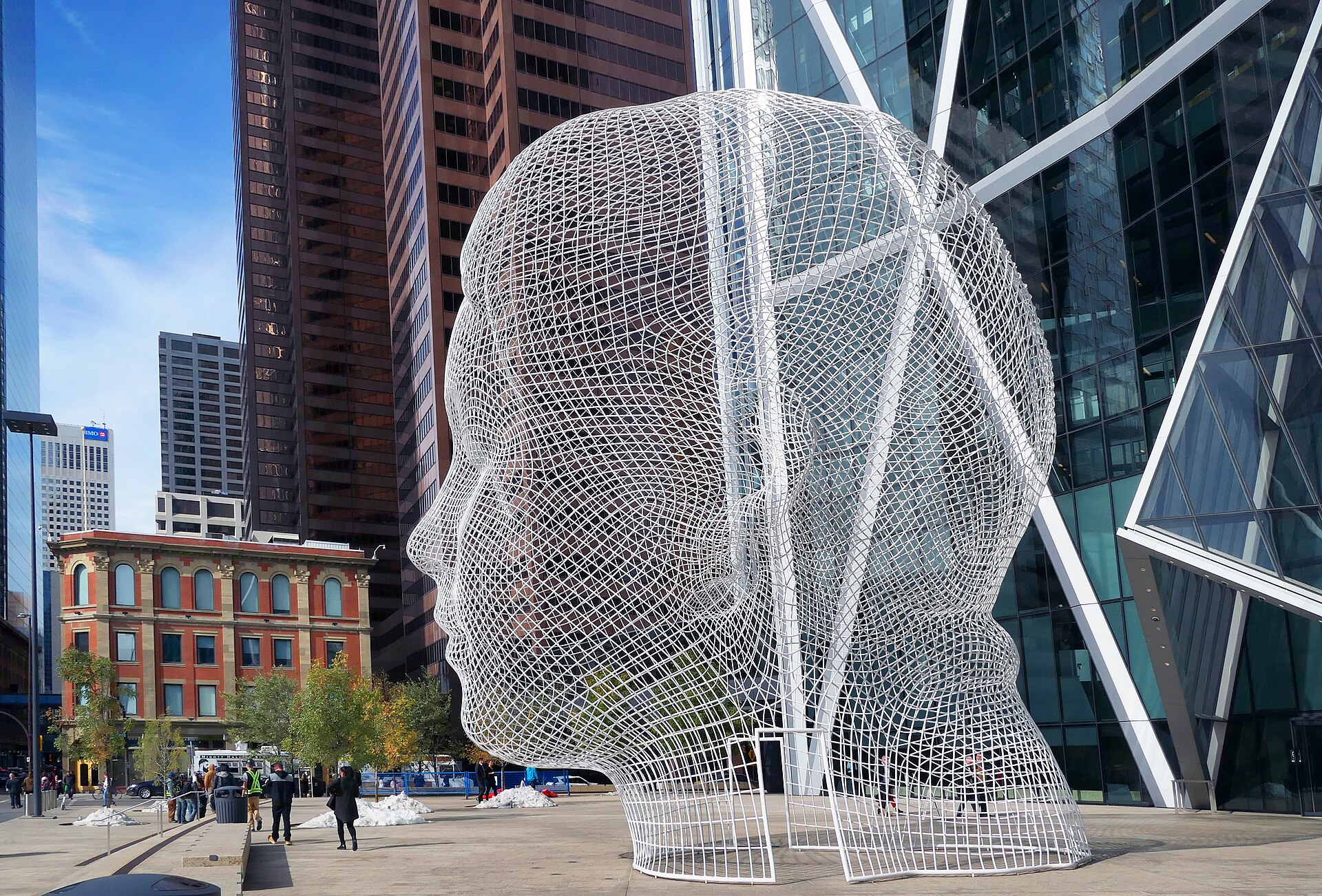
From Jaume Plensa's "Wonderland" to murals in the Beltline and East Village, art is part of the daily walk.
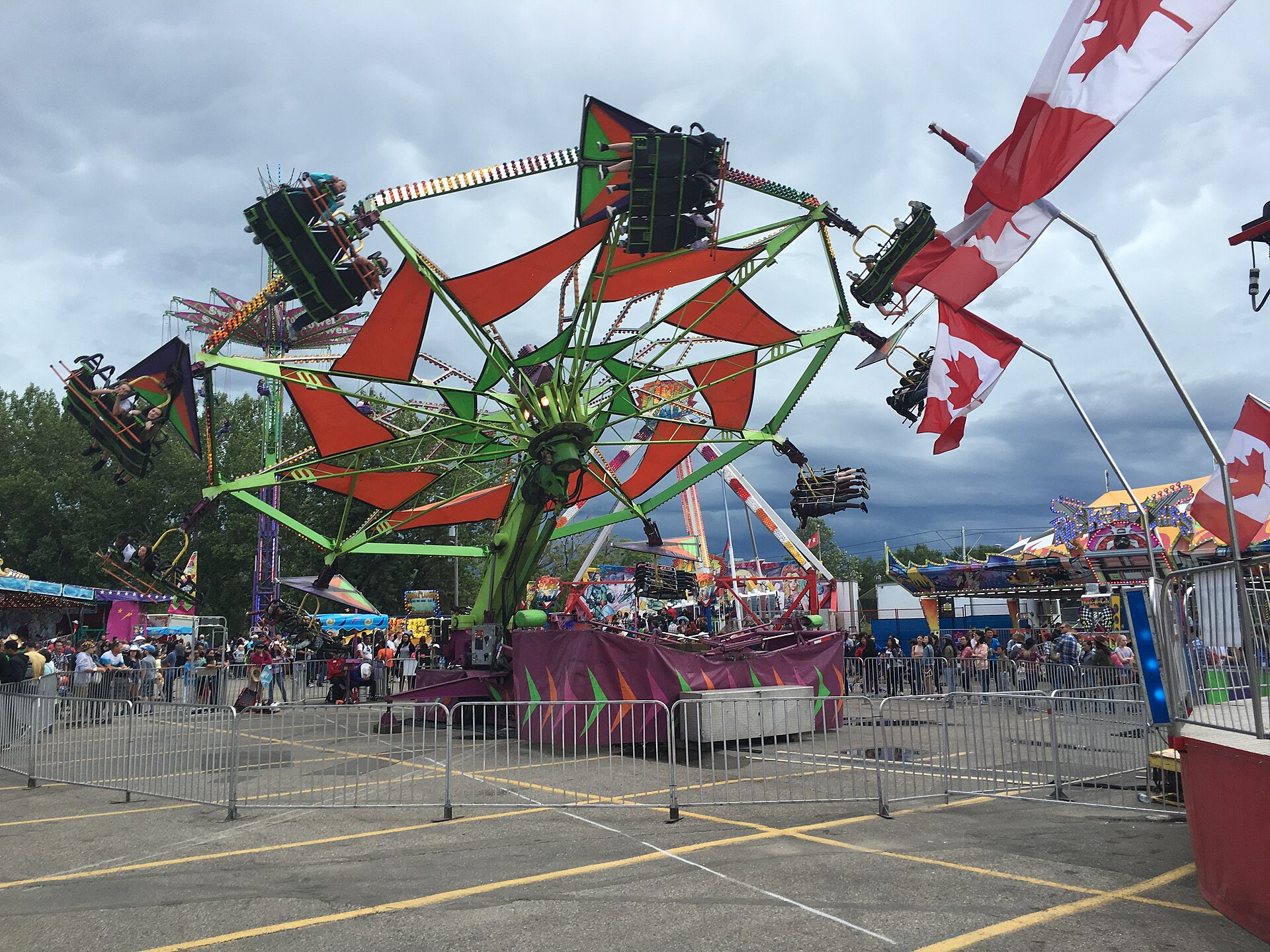
The Calgary Stampede in July, the Folk Music Festival on Prince's Island, Sled Island and dozens of neighbourhood street festivals.
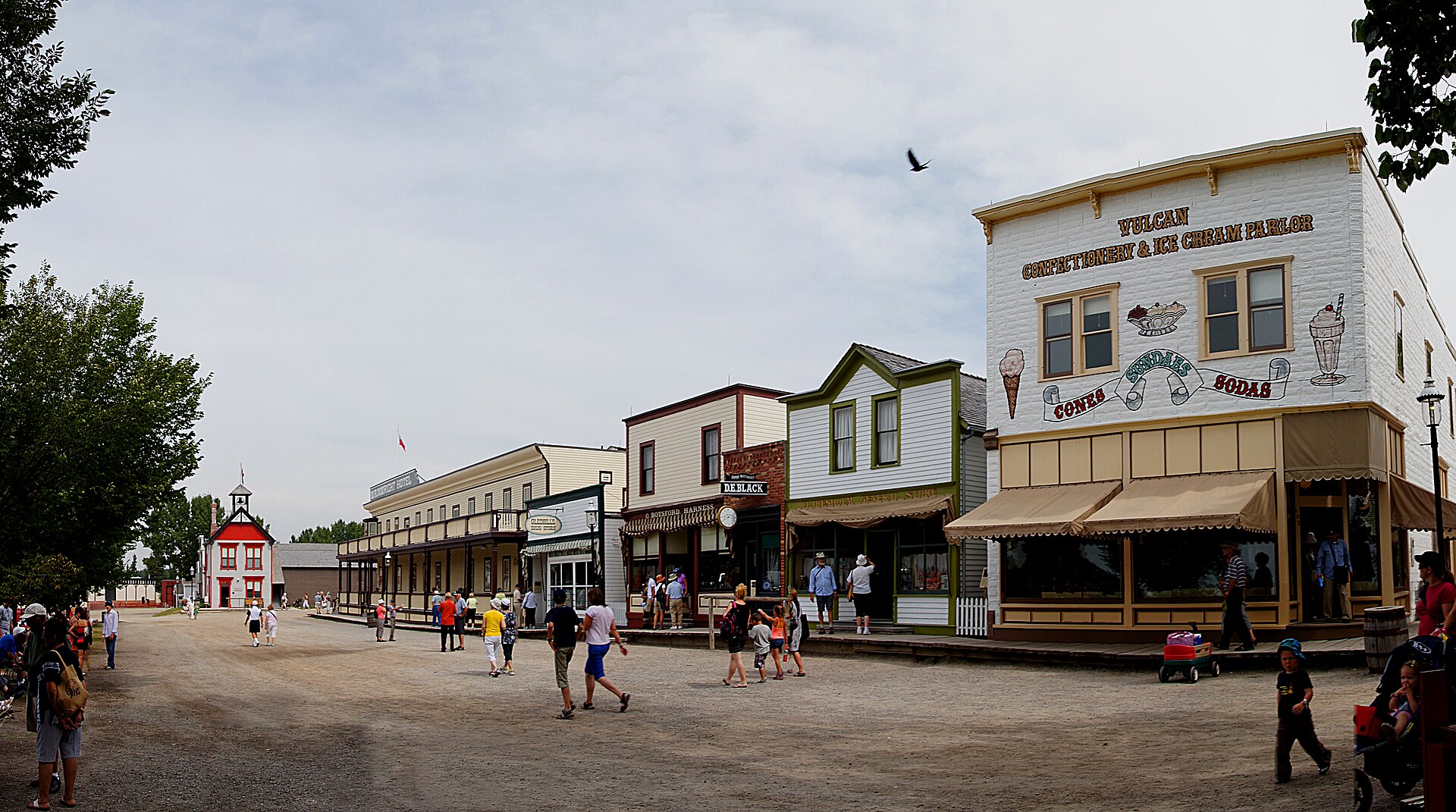
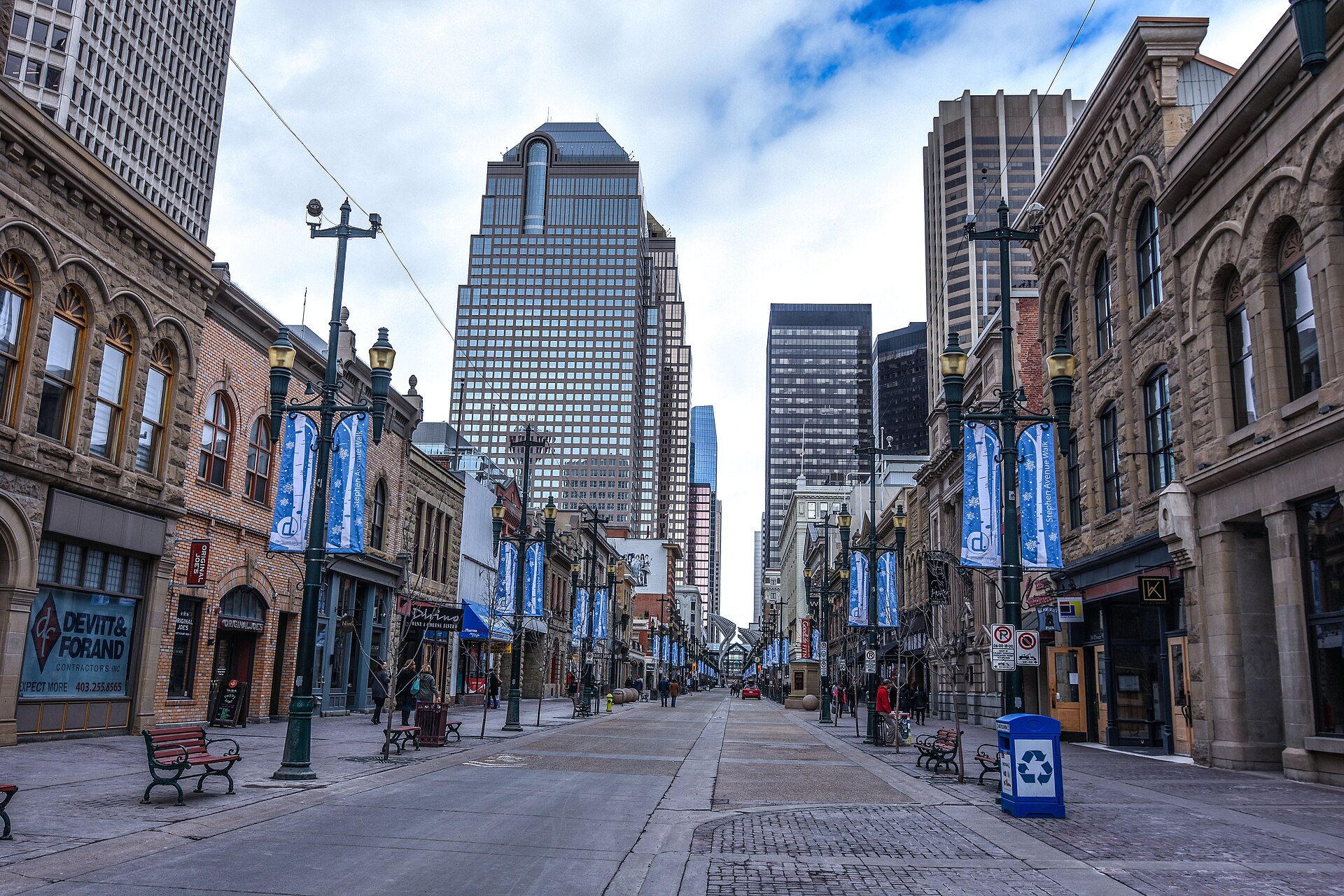
Heritage Park, Fort Calgary and the sandstone buildings of Stephen Avenue bring the city's past to life.
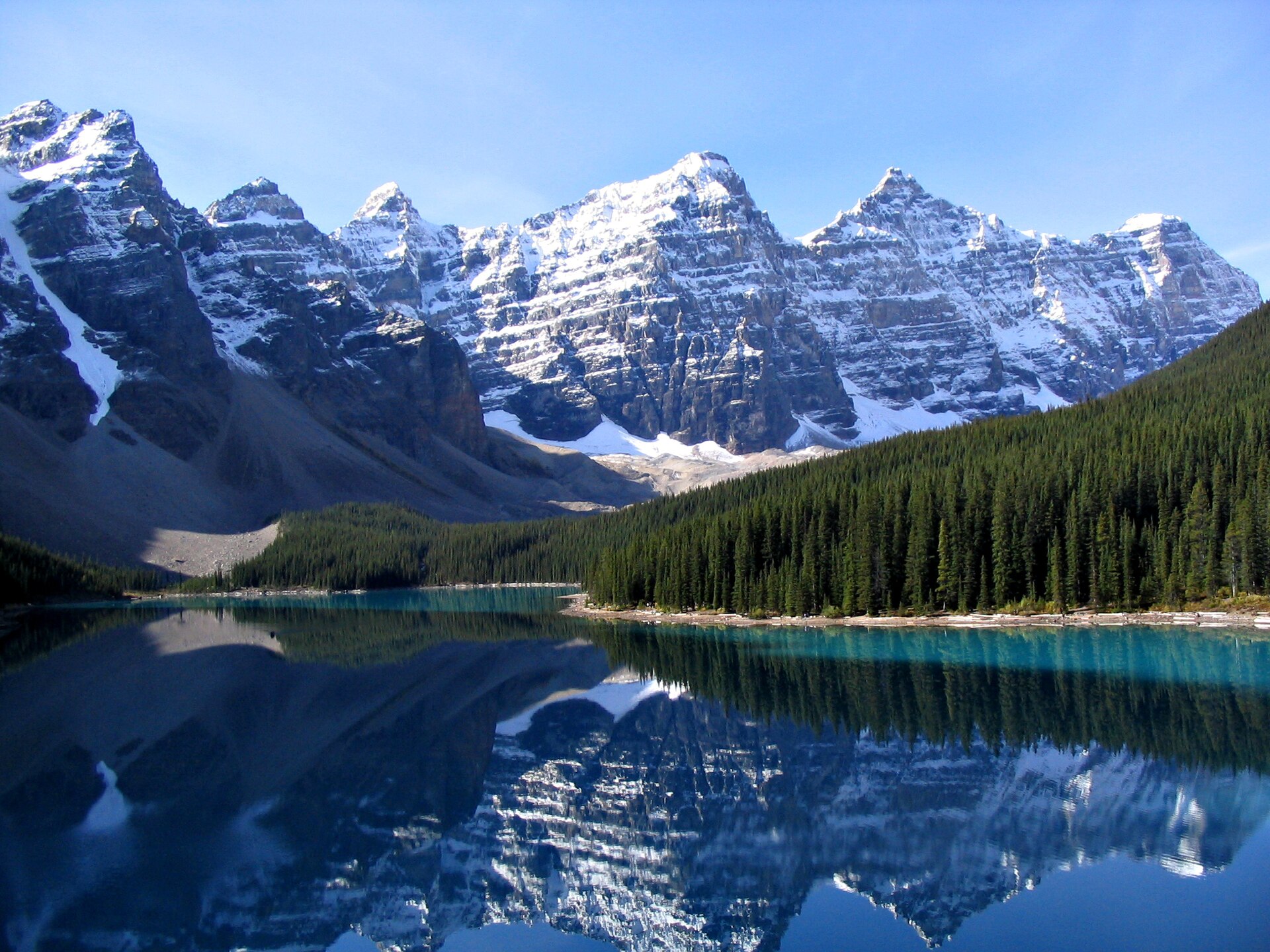
The Great Outdoors
Calgary has one of the most extensive urban pathway networks in North America, running along both rivers and connecting inner-city neighbourhoods to parks like Prince's Island, St. Patrick's Island, Nose Hill and Fish Creek Provincial Park.
On weekends, Banff National Park and Kananaskis Country are roughly a 60 to 90 minute drive west, for hiking, skiing and some of the most famous mountain lakes in the world.
Getting Around
The CTrain light-rail system runs through downtown and the Beltline, and the elevated +15 skywalk network links much of the core so you can cross downtown in winter without a coat.
Climate
Calgary is one of Canada's sunniest major cities. In winter, warm Chinook winds can raise temperatures dramatically in a matter of hours.
Food & Drink
17th Avenue, 4th Street, Kensington, Inglewood and Bridgeland each have their own mix of local restaurants, craft breweries, coffee roasters and markets.
Area information is general and provided for orientation only. Sources include the City of Calgary, Tourism Calgary and Wikipedia.
Let's Talk
Tell me what you're looking for, and I'll put together a short list of buildings and neighbourhoods that fit. No pressure, no obligation.
or call (403) 555-0148